- Home
- About CATS
- The Transect
- Transect Codes Council
- Resources & Links
- Contact CATS
- CATS Programs
- Research
- Publications
- Education
- AWARDS
- CATS TOOLS
- Codes
- Modules
- Images

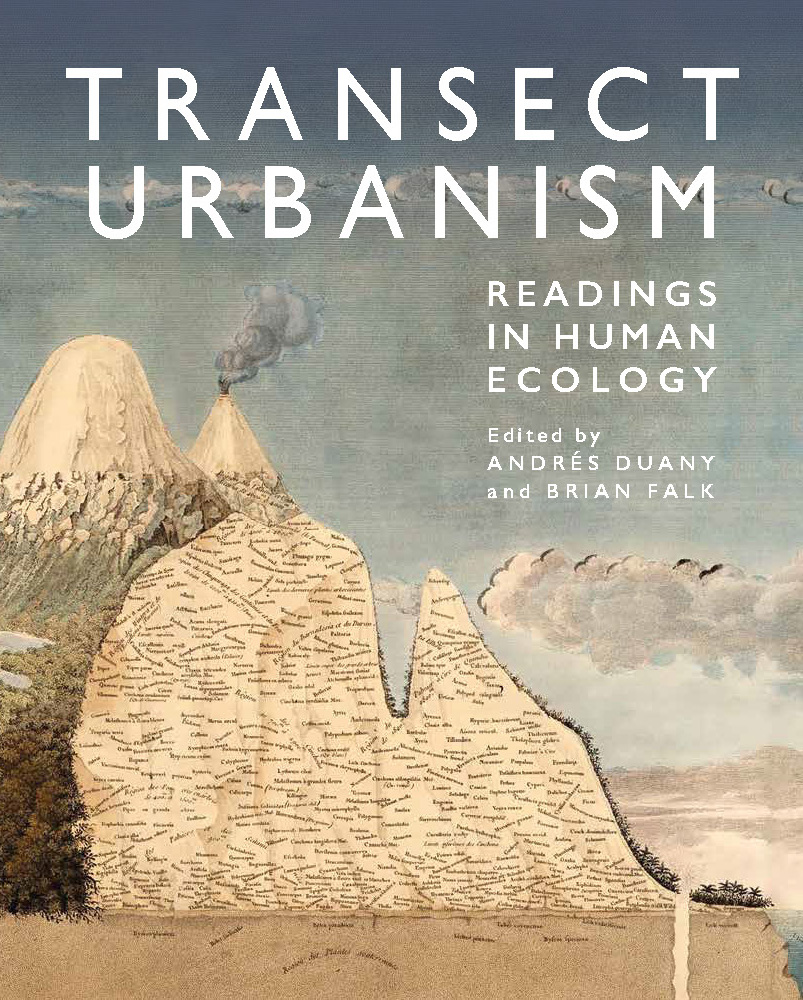
The definitive reference on the Rural-to-Urban Transect. Produced by CATS and published by ORO Editions, Transect Urbanism contains the most complete collection of Transect images and essays ever compiled. More
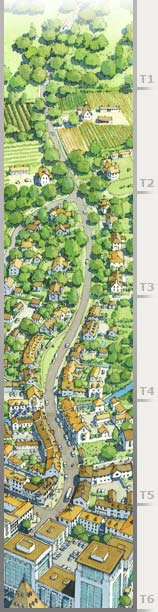
The Center for Applied Transect Studies (CATS) promotes understanding of the built environment as part of the natural environment, through the planning methodology of the rural-to-urban transect. CATS supports interdisciplinary research, publication, tools, and training for the design, coding, building and documentation of resilient transect-based communities.
CATS is committed to transect-based environmental and land development principles that encourage the following outcomes:
CATS launches free image bank for practitioners and academics: the Transect Collection, exemplary elements of urbanism professionally photographed and organized by the Transect.
The Language of Towns & Cities, supported by the CATS publication program, has been translated into Chinese.